
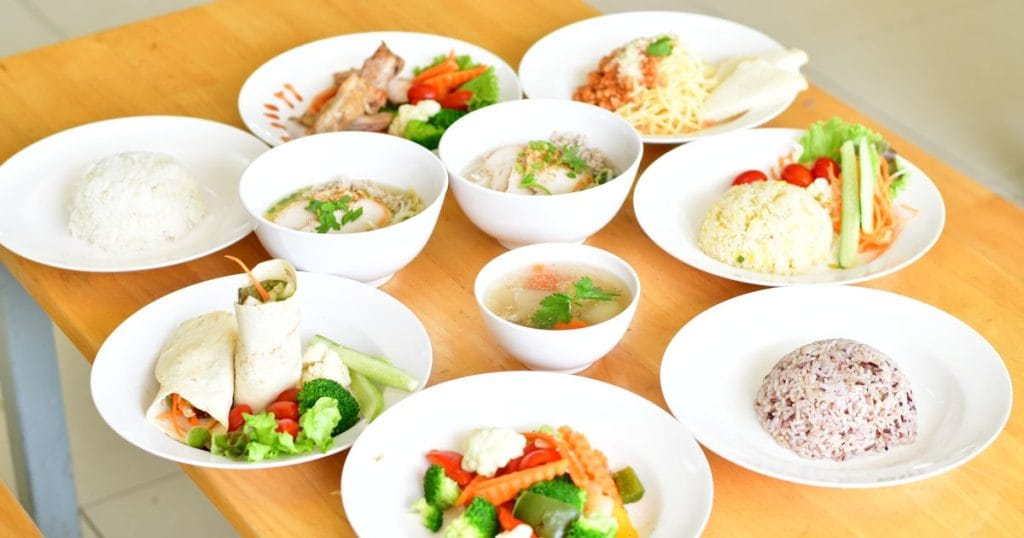
A balanced diet is the foundation of good health, steady energy, and long-term wellbeing. But with so much conflicting advice online, building one can feel confusing. The good news is that eating well doesn’t require expensive supplements or extreme rules — just a simple, repeatable structure you can follow every day.
If you want the food by food detail behind these rules, I have written a longer guide to the best foods for a healthy diet in an ordinary Pakistani kitchen.
What Is a Balanced Diet?
A balanced diet provides the right mix of nutrients your body needs: carbohydrates for energy, proteins for repair and growth, healthy fats, and plenty of vitamins, minerals, and fiber from fruits and vegetables. No single food group is “bad” — balance and portion size are what matter most.
The Building Blocks of a Healthy Plate
1. Vegetables and Fruits
Aim to fill half your plate with colorful vegetables and fruits. They’re rich in fiber, antioxidants, and essential vitamins while being naturally low in calories.
2. Lean Proteins
Include sources like chicken, fish, eggs, lentils, beans, and yogurt. Protein supports muscle, keeps you full, and stabilizes blood sugar.
3. Whole Grains
Choose whole grains such as brown rice, oats, and whole-wheat roti over refined options for steadier energy and more fiber.
4. Healthy Fats
Add small amounts of nuts, seeds, olive oil, and avocado. Healthy fats support brain health and help you absorb certain vitamins.
Simple Steps to Build Your Diet Plan
Start by planning three balanced meals and one or two healthy snacks each day. Use the “half plate vegetables, quarter protein, quarter whole grains” rule. Stay hydrated, limit added sugar and ultra-processed foods, and listen to your hunger cues rather than eating out of habit.
Key Takeaways
A balanced diet isn’t about restriction — it’s about variety, portion control, and consistency. Build each meal around vegetables, protein, whole grains, and healthy fats, and you’ll have a sustainable plan that supports your goals.
Want to apply this in real life? Try our healthy Pakistani breakfast ideas and meal prep tips to stay consistent. You can also read more about a healthy diet on Wikipedia.
Frequently Asked Questions (FAQs)
1. What does a balanced diet include?
It includes carbohydrates, proteins, healthy fats, fruits, vegetables, and adequate water in appropriate portions.
2. How many meals should I eat per day?
Three balanced meals plus one or two healthy snacks works well for most people.
3. Are carbohydrates bad for me?
No. Carbs are your body’s main energy source — choose whole grains and control portions.
4. How much protein do I need daily?
It varies by body weight and activity, but most adults benefit from including a protein source in every meal.
5. Can I follow a balanced diet on a budget?
Yes. Lentils, eggs, seasonal vegetables, and grains are affordable and nutritious staples.
6. Do I need supplements for a balanced diet?
Most people can get what they need from whole foods. Consult a professional before taking supplements.
7. How much water should I drink?
Around 6–8 glasses a day is a good starting point, adjusted for activity and climate.
8. Is it okay to eat snacks?
Yes — healthy snacks like fruit, nuts, or yogurt help control hunger between meals.
9. How long does it take to see results?
Many people feel more energetic within a couple of weeks; visible changes take consistent effort over months.
10. Should I see a nutritionist for a diet plan?
A nutritionist can personalize your plan to your health needs, making it safer and more effective.