
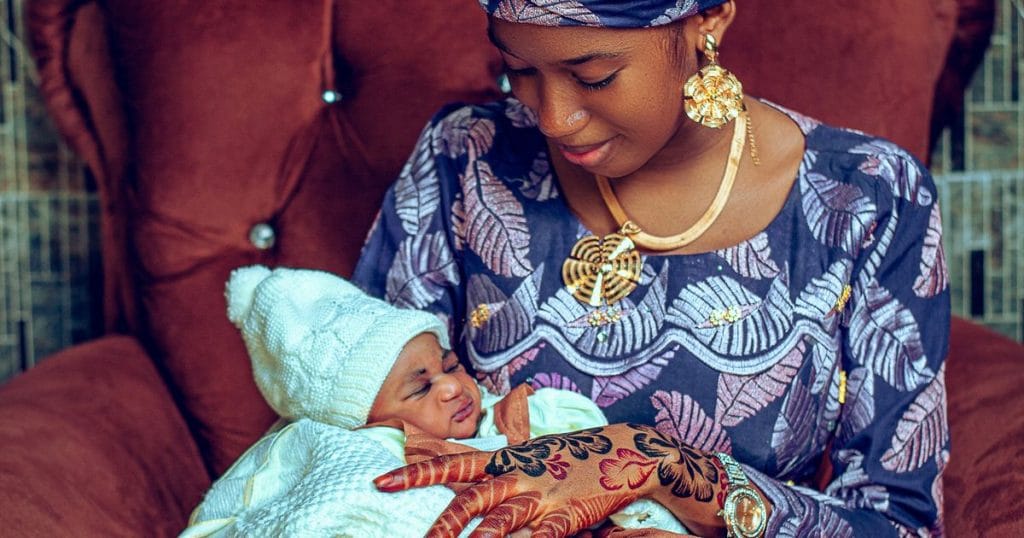
The weeks and months after childbirth are a time of recovery, healing, and — for many mothers — breastfeeding. Good nutrition during this period supports your energy, mood, recovery, and milk supply. Yet new mothers often put their own needs last. This guide covers what to eat to nourish yourself during the postpartum period.
Why Postpartum Nutrition Matters
Your body has done incredible work and needs the right nutrients to recover. A nutrient-dense diet helps replenish stores, supports tissue healing, stabilizes energy and mood, and provides what’s needed for breastfeeding.
Key Nutrients for New Mothers
1. Protein
Eggs, chicken, fish, lentils, and yogurt support tissue repair and steady energy.
2. Iron
After childbirth, iron helps restore energy. Include lean meats, lentils, spinach, and dried fruits.
3. Calcium
Dairy, leafy greens, and fortified foods support bone health, especially while breastfeeding.
4. Healthy Fats
Nuts, seeds, and fatty fish support brain health and hormone balance.
5. Fiber and Fluids
Whole grains, fruits, vegetables, and plenty of water help prevent constipation, which is common after delivery.
Foods That Support Recovery and Milk Supply
Traditional nourishing foods, warm soups, lentils, eggs, leafy greens, and plenty of fluids all support recovery. Staying hydrated is especially important for breastfeeding mothers.
What to Limit
Limit highly processed snacks, excessive caffeine, and sugary foods, which provide little nutrition when your body needs it most.
Key Takeaways
Postpartum nutrition is about nourishing yourself so you can care for your baby. Prioritize protein, iron, calcium, healthy fats, fiber, and fluids, and don’t hesitate to ask a nutritionist for support during this important time.
For ongoing support, explore our balanced diet plan and how a clinical nutritionist can help new mothers. Read more about the postpartum period on Wikipedia.
Frequently Asked Questions (FAQs)
1. What should I eat after giving birth?
Focus on protein, iron, calcium, healthy fats, fruits, vegetables, and plenty of fluids.
2. What foods increase breast milk supply?
Staying hydrated and eating balanced, nutrient-dense meals supports milk supply more than any single food.
3. How many calories do breastfeeding mothers need?
Breastfeeding increases calorie needs; focus on nutrient-rich foods and eat to satisfy hunger.
4. Is it safe to diet after pregnancy?
Gradual, balanced eating is best. Avoid restrictive diets, especially while breastfeeding.
5. Why is iron important postpartum?
It helps restore energy and replenish stores after childbirth.
6. How much water should a new mother drink?
Plenty — breastfeeding increases fluid needs, so drink whenever thirsty.
7. Can I drink coffee while breastfeeding?
Moderate caffeine is usually fine; limit excessive amounts.
8. What helps with postpartum constipation?
Fiber-rich foods, fruits, vegetables, and adequate water help.
9. Are supplements needed postpartum?
Some mothers continue prenatal vitamins; consult your healthcare provider.
10. Should I see a nutritionist after pregnancy?
Yes. A nutritionist can create a recovery- and breastfeeding-friendly plan tailored to you.