
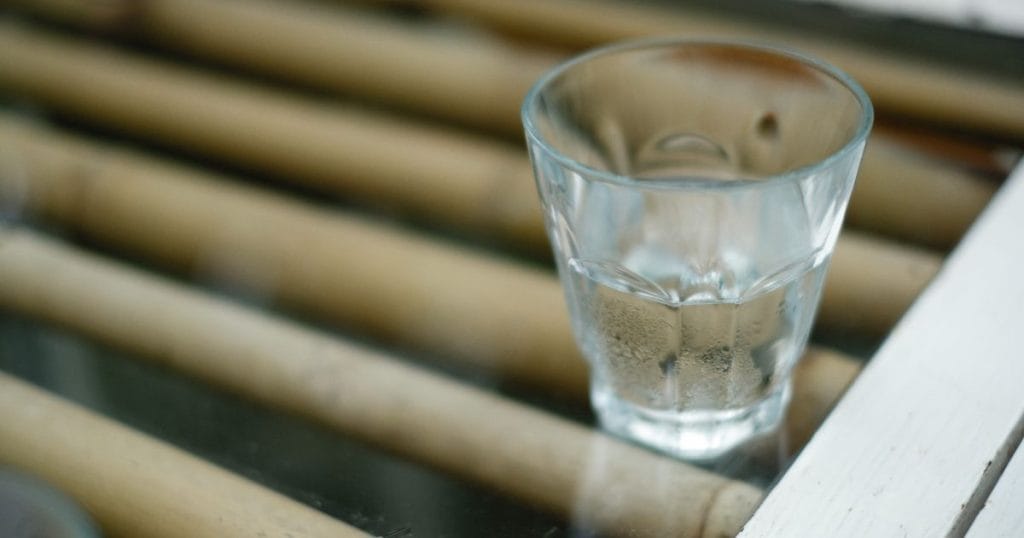
Water is essential for nearly every function in your body — from regulating temperature to transporting nutrients and flushing out waste. Yet many people walk around mildly dehydrated without realizing it. So how much water should you really drink each day?
Why Hydration Is So Important
Your body is roughly 60% water. Staying hydrated supports digestion, healthy skin, joint lubrication, concentration, and energy levels. Even mild dehydration can cause fatigue, headaches, and reduced focus.
How Much Water Do You Actually Need?
A common guideline is around 6–8 glasses (about 2 liters) per day, but your real needs depend on your body size, activity level, climate, and health. People who are physically active or live in hot climates — like much of Pakistan — often need more.
Signs You’re Drinking Enough
Pale yellow urine, infrequent thirst, and steady energy are good signs. Dark urine, dry mouth, and fatigue suggest you need more water.
Easy Ways to Drink More Water
Carry a reusable bottle, drink a glass before each meal, and flavor water naturally with lemon or mint. Water-rich foods like cucumber, watermelon, and oranges also contribute to your daily intake.
Can You Drink Too Much Water?
Rarely, but yes. Drinking excessive amounts in a short time can dilute sodium levels. For most people, simply listening to thirst and aiming for consistent intake throughout the day is enough.
Key Takeaways
Aim for roughly 2 liters of water daily, adjusting for activity and heat. Use urine color and thirst as your guide, and include water-rich foods to stay comfortably hydrated.
Hydration works best alongside good nutrition — see our balanced diet plan and weight loss foods guides. Read more about drinking water on Wikipedia.
Frequently Asked Questions (FAQs)
1. How much water should I drink per day?
Around 2 liters (6–8 glasses) is a good baseline, more if you’re active or in hot weather.
2. Does tea or coffee count toward water intake?
They contribute some fluid, but water is the best primary source of hydration.
3. Can drinking water help with weight loss?
Yes. Water before meals can reduce appetite and replaces sugary drinks.
4. What are signs of dehydration?
Dark urine, dry mouth, headaches, fatigue, and dizziness are common signs.
5. Should I drink water during meals?
Yes, moderate amounts are fine and can aid digestion.
6. Is it bad to drink water at night?
It’s fine, though some people limit intake right before bed to avoid waking up.
7. Do water-rich foods help hydration?
Yes. Cucumber, watermelon, and oranges add to your daily fluid intake.
8. How do I know if I’m drinking enough?
Pale yellow urine and rare thirst are reliable indicators.
9. Can I drink too much water?
Rarely, but excessive intake in a short time can be harmful. Spread it out across the day.
10. Does activity increase my water needs?
Yes. Exercise and heat increase fluid loss, so you’ll need to drink more.